Teaching Machines to Monitor Animal Health
ESIIL hackathon at Fort Valley State University explores machine learning for agricultural decision-making
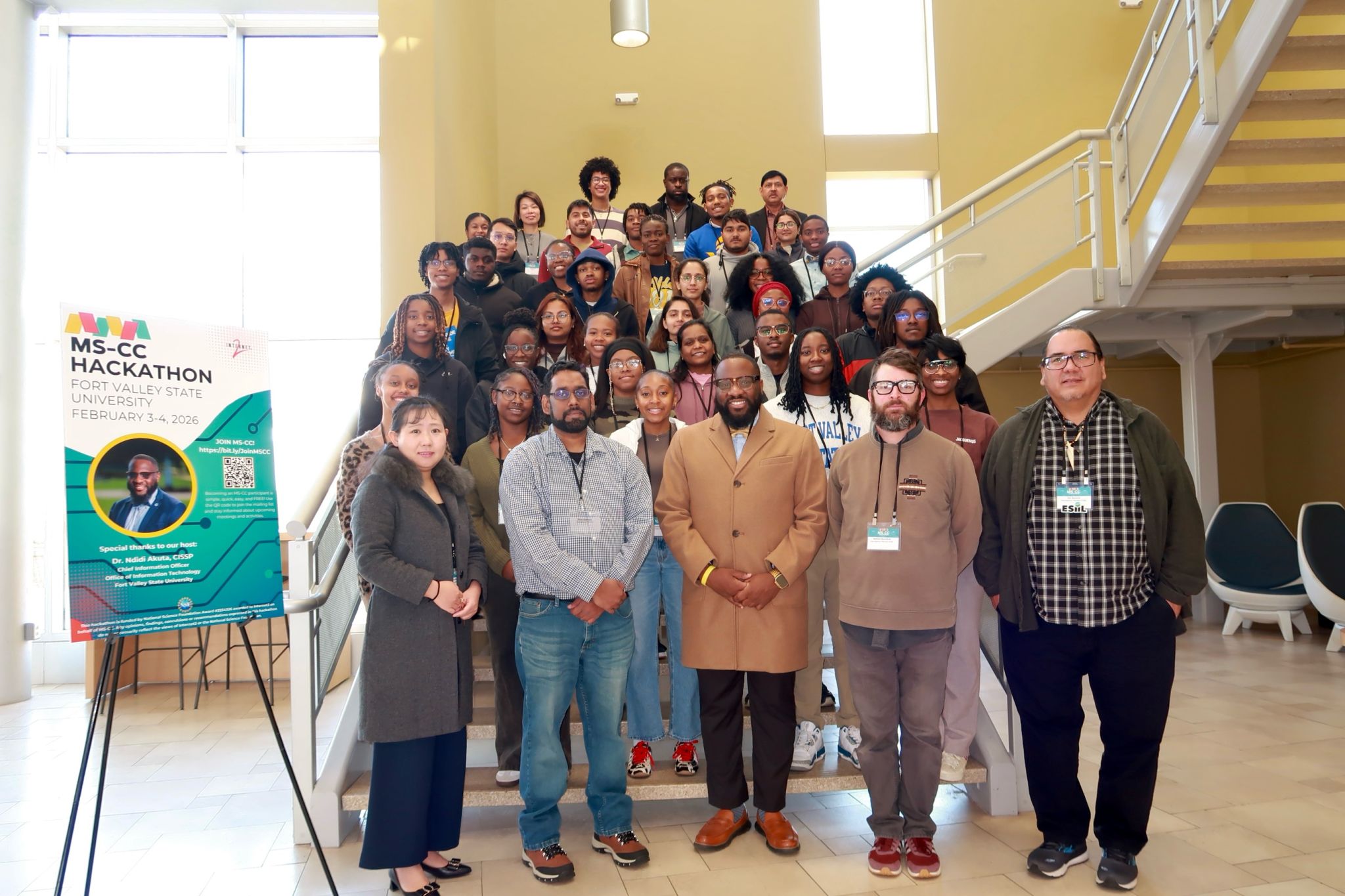
In early February, the Earth Lab and the Environmental Data Science Innovation and Impact Lab (ESIIL) partnered with Fort Valley State University and MS-CC to host a hands-on machine learning hackathon focused on livestock health analytics.
The partners
Fort Valley State University (FVSU) is a public land-grant university in Georgia with long-standing programs in agriculture, animal science, and extension research. Faculty and students routinely work with livestock health, production systems, and field-based agricultural data, making the campus a natural setting for applied data science activities grounded in real agricultural problems.
MS-CC is a national collaborative network of colleges and universities that supports teaching and research using modern computational resources. Funded by the National Science Foundation (NSF), the consortium helps institutions integrate high-performance computing, cloud platforms, and data-intensive workflows into coursework and training so students can work with contemporary data science tools.
Earth Lab & ESIIL helped to design learning experiences where environmental data science and artificial intelligence are applied to real-world questions using open data science tools including Python, Jupyter Notebooks, and Google Colab.
The February Hackathon
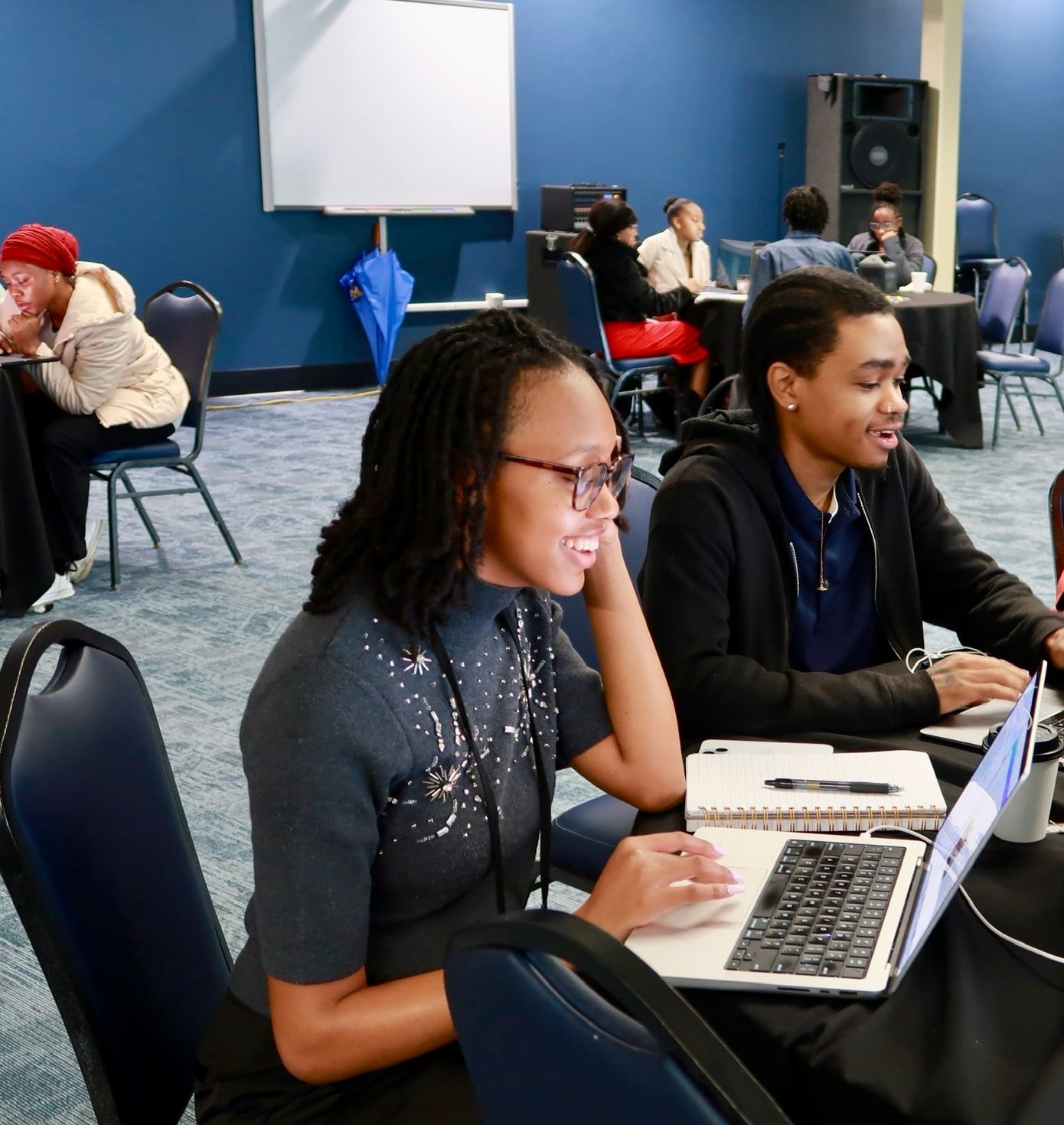
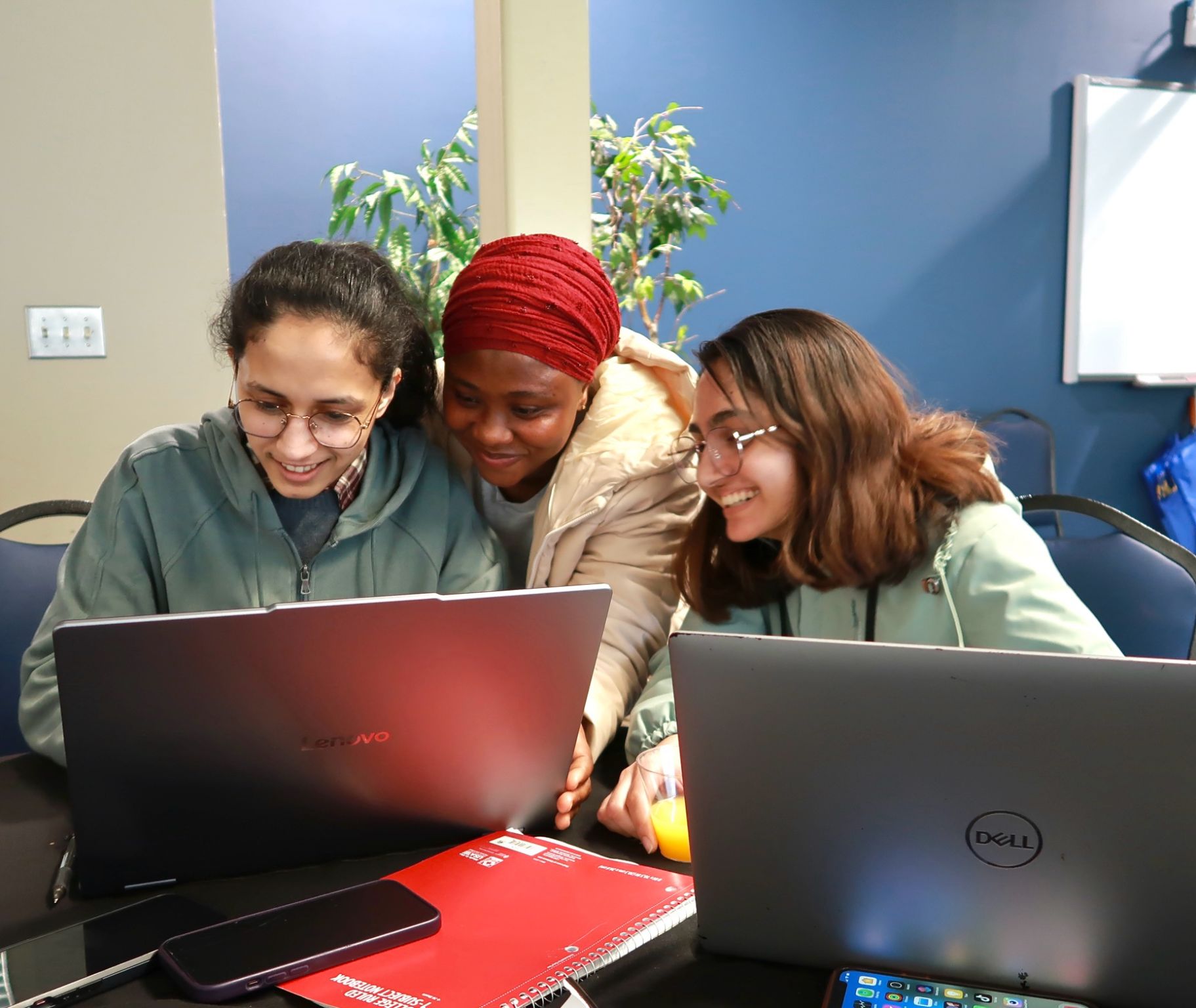
From February 2–4, 2026, participants met in person at FVSU for a four-day challenge: use machine learning to determine whether a goat is healthy or parasitized. Parasitic infection is a persistent issue in livestock systems because symptoms are often subtle early on. The dataset used in the event contained animal health measurements that could potentially reveal infection before visual signs become obvious. Teams were asked to build predictive models, and evaluate how modeling decisions affected reliability. Rather than prescribing a single workflow, the event encouraged experimentation across the modeling process:
- Comparing multiple machine learning algorithms
- Testing different training/testing data splits
- Applying several cross-validation approaches
- Evaluating prediction stability and generalization
With help from Dr. Aftab Siddique, post-doctoral scholar in the College of Agriculture, Family Sciences and Technology at FVSU, participants learned quickly that model accuracy alone did not tell the full story — some models performed well on training data but failed when exposed to new observations.
The Results
Across teams, a clear pattern emerged. The most accurate and consistent predictions were produced using:
- Backpropagation Neural Network (BPNN)
- 80:20 training/testing split
- 10-fold cross-validation
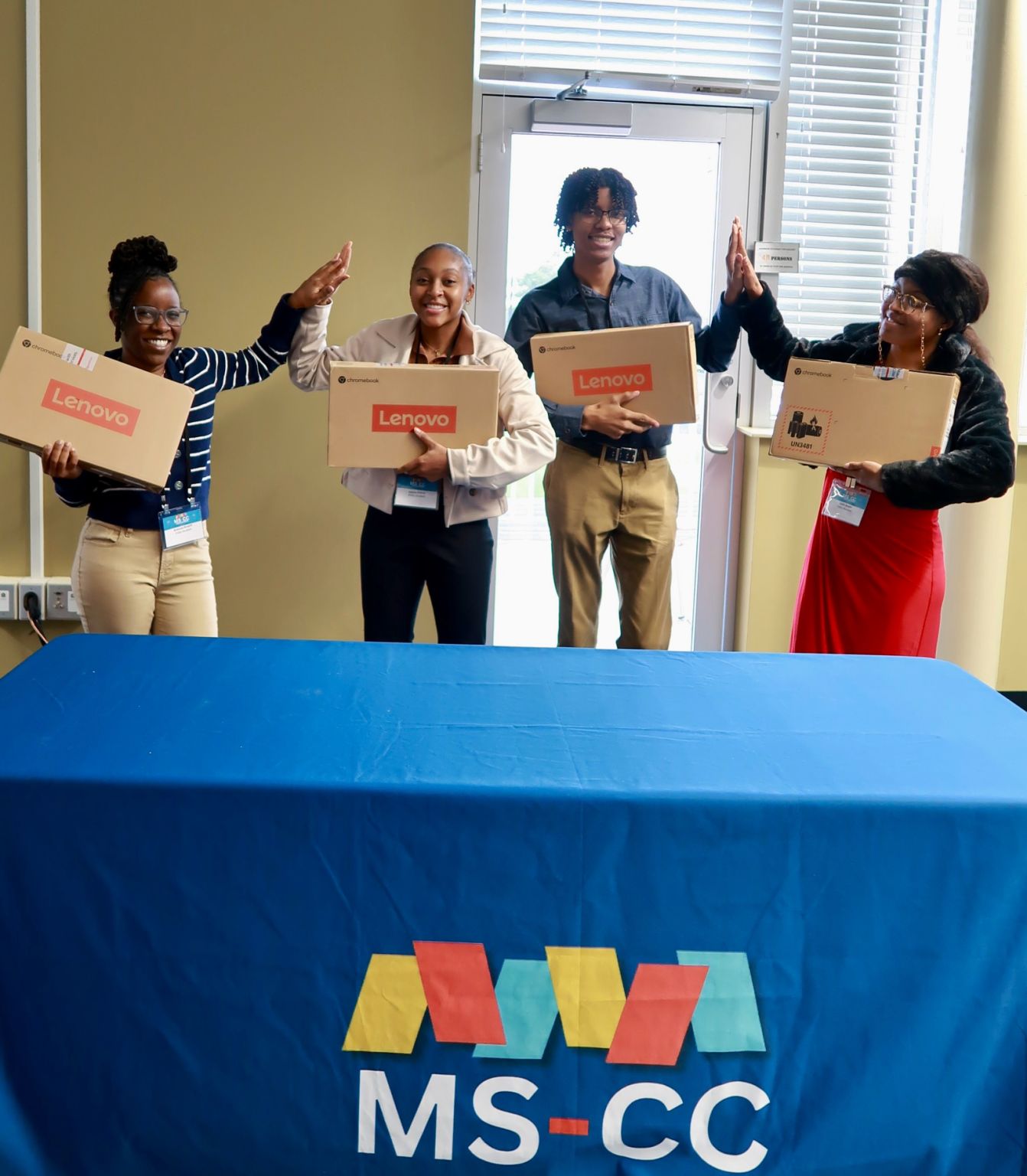
This configuration balanced model complexity with robustness, reducing overfitting while maintaining predictive performance. More importantly, participants could explain why the model worked, a core goal of the event. Participants were scored on the quality and clarity of their code, use of AI tools like ChatGPT and Copilot, interpretation of their results, and oral presentation. A big congratulations to our two winning teams The High Fives and the Innov8tors. Members from each winning team received a complementary Chromebook laptop, courtesy of FVSU.

Learning Outcomes
By the end of the hackathon, discussions shifted from trying to maximize a single metric to evaluating confidence in predictions. Teams began asking:
- Does this model generalize to new animals?
- Are we detecting signals or memorizing noise?
- What evidence would a veterinarian trust?
The exercise highlighted that machine learning in applied science is less about selecting a sophisticated algorithm and more about designing a defensible analytical process.
Looking Ahead
The goat health challenge demonstrated how artificial intelligence can support agricultural monitoring and early detection workflows. It also reinforced a broader lesson: effective use of machine learning depends on understanding data, assumptions, and uncertainty, not just running code. Through collaborations like this, ESIIL and its partners continue developing training experiences where students practice data science in contexts that mirror real analytical decision-making.
A public GitHub repository for this event was created to share code, data, and participant outcomes. You can learn more about the data and workflows that hackathon participants completed here: https://github.com/cu-esiil-edu/ms-cc-fvsu-hackathon