Burn, maybe, burn? Lessons learned to improve prescribed burning
EDS Seminar Speaker Series. Rochelle Worsnop discusses Burn, maybe, burn? Lessons learned to improve prescribed burning
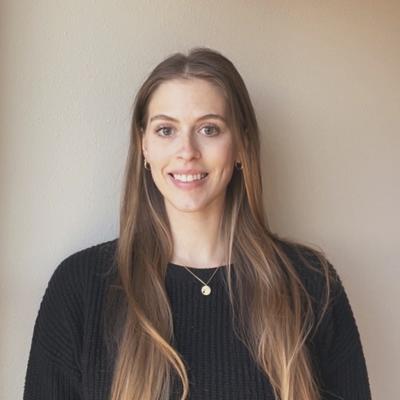
Speaker: Rochelle Worsnop, NOAA
Abstract:
Prescribed fire is a critical land-management tool to create more wildfire resilient communities and to restore health to fire-dependent ecosystems. We analyze weather and vegetation data in conjunction with 14 years (2011–2024) of prescribed burn-permit data from the California Prescribed Fire Incident Reporting System (PFIRS). Our analysis addresses three questions: 1) when do prescribed fires typically occur in northern California?; 2) what local and large-scale weather conditions are they typically ignited under?; and 3) how often do potential burn windows of opportunity occur in a given month for different prescribed fire types? We will introduce two fire types, pile and broadcast burning, and discuss their role in reducing wildfire hazard in the Western United States. Using the weather reanalyses and fire reporting data, we share insights into the situations that burn practitioners, those who ignite prescribed burns, preferred to put fire on the landscape. This in turn enables us to estimate the number of burn windows of opportunity each month, dependent on the burn type, that can help in prescribed fire planning. Prescribed fire operations are intrinsically interdisciplinary, so we will conclude with a discussion on ways in which data and a wide variety of analyses could support prescribed fire science.
Speaker Bio:
Rochelle Worsnop is a Research Physical Scientist in NOAA's Physical Sciences Laboratory. Her research focuses on the understanding and probabilistic prediction of fire-weather variables and wildfire indicators at medium-to-subseasonal timescales.
For recent projects, she developed experimental fire-forecasting tools by leveraging large hindcast datasets in combination with traditional and neural-network-based statistical post-processing techniques to improve the skill and reliability of forecasts output from NOAA's Global Ensemble Forecast System. Her current research focuses on reducing risk from wildfires by characterizing the environmental conditions needed to successfully implement prescribed fires, a critical wildfire mitigation tool. She earned a B.S. in Meteorology from Florida State University and a M.S. and Ph.D. in Atmospheric and Oceanic Sciences from the University of Colorado in Boulder.